About Us –
PHL-IdC
The Public Health Laboratory Ivo de Carneri (PHL-IdC) is a centre of excellence for public health research, diagnostics, and training in Zanzibar, Tanzania. Established in 1997, it plays a vital role in strengthening health systems, supporting disease control programs, and advancing scientific knowledge on neglected tropical diseases and other pressing public health challenges.
Who We Are
PHL-IdC operates as a Public–Private Partnership between the Ministry of Health Zanzibar and the Ivo de Carneri Foundation (Italy), with recognition and support from the World Health Organization (WHO) and numerous global health institutions.
For more than two decades, the laboratory has been at the forefront of disease surveillance, diagnostics, operational research, and capacity building, serving both the local community and international scientific partners.
Vision
To be a leading centre of excellence in public health laboratory services, advancing One Health strategies with local, regional, and global influence.
Mission
To support and conduct innovative, world-renowned research, training, and public health interventions in Zanzibar, with a focus on equity and sustainability.
Core Values
- Integrity
- Scientific
- Excellence
- Collaboration
- Community Service
History
1988 – Professor Ivo de Carneri, an Italian parasitologist, visits Zanzibar to assess the Schistosomiasis Control Programme.
1997 – The Public Health Laboratory Ivo de Carneri is established by the Government of Zanzibar with funding from the Ivo de Carneri Foundation.
2000 – Official inauguration and start of laboratory operations.
2005 – Designated by WHO as a Collaborating Centre for Schistosomiasis and Intestinal Parasitic Infections.
2013 – Recognized as WHO Collaborating Centre for Neglected Tropical Diseases (NTDs).
2015 – Legally registered as a Company Limited by Guarantee (CLG) under Zanzibar law, strengthening its status as a Public–Private Partnership.
Over the years, PHL-IdC has grown into a trusted reference point in Sub-Saharan Africa, providing operational research, laboratory services, and training that guide both local health policies and global public health strategies.
What We Do
PHL-IdC’s core functions include:
Disease Surveillance & Control – Monitoring endemic diseases and supporting outbreak response.
Diagnostic Services – Providing reliable and cost-effective testing in parasitology, bacteriology, virology, and molecular biology.
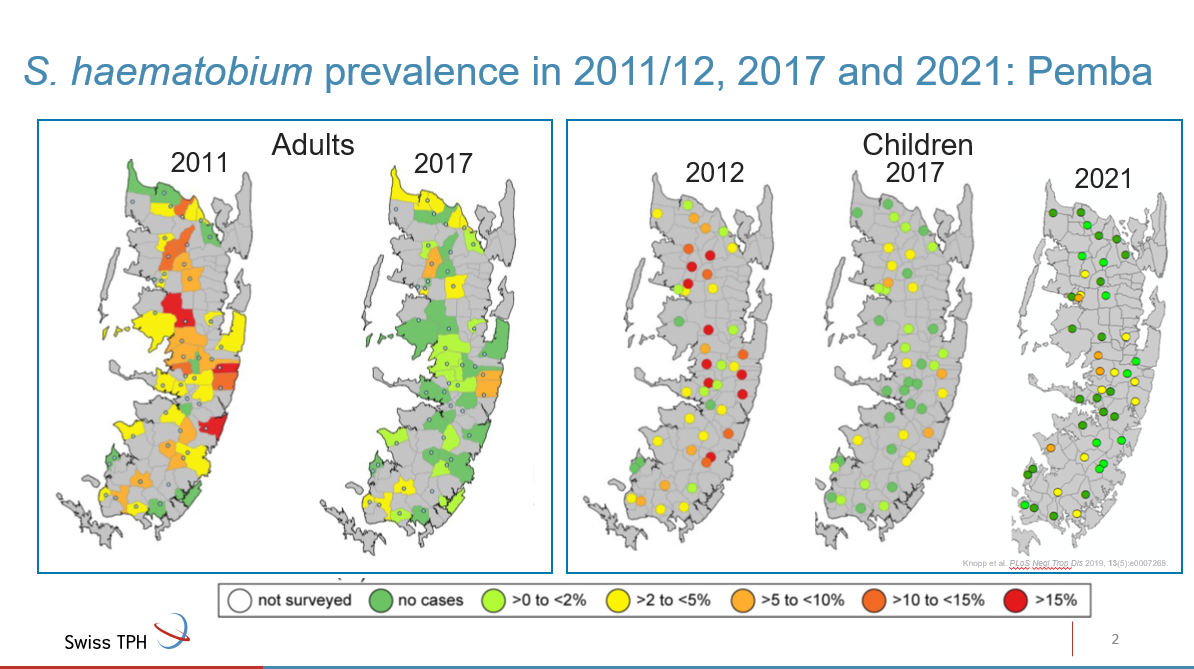
Operational Research – Generating evidence to inform public health strategies, with a strong focus on neglected tropical diseases and antimicrobial resistance.
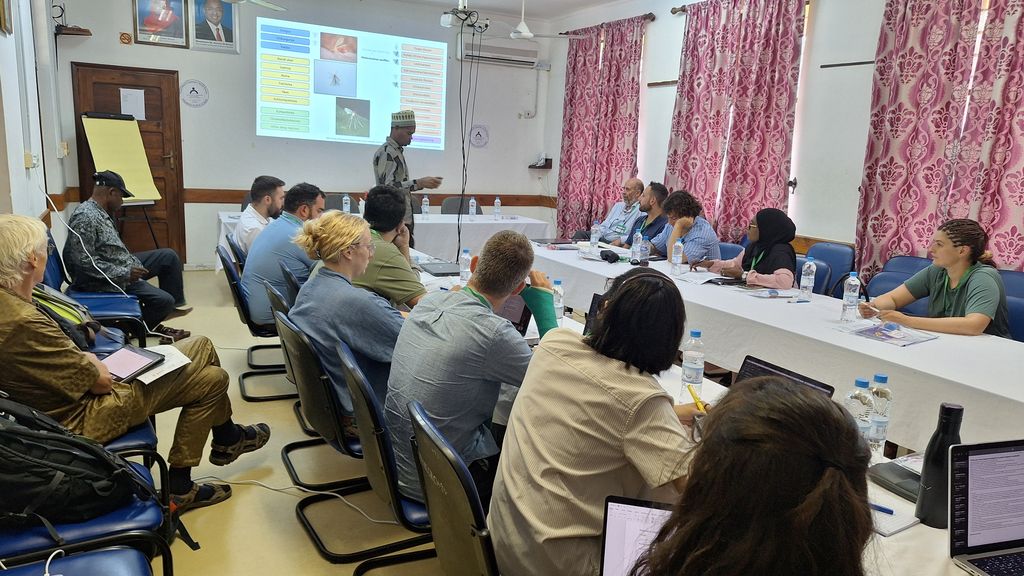
Training & Capacity Building – Offering workshops, short courses, and field training for local and international health professionals and students.
Partnerships – Collaborating with leading institutions such as WHO, Johns Hopkins University, and regional health networks.
Our Facilities
Laboratories: Equipped for parasitology, bacteriology, tuberculosis, molecular biology (PCR, ELISA, sequencing), and entomology.
Field Facilities: Mobile setups in collaboration with district health authorities to conduct on-site studies.
Utilities: Reliable infrastructure with backup generators, solar power, and borehole water supply.
Training Infrastructure: Lecture halls, teaching labs, and field sites for practical training.
Recognition & Collaborations
PHL-IdC’s achievements include:
Recognition as a WHO Collaborating Centre for Neglected Tropical Diseases.
Longstanding partnerships with universities and research bodies in Africa, Europe, and the US.
Contribution to global strategies for the elimination of schistosomiasis, lymphatic filariasis, and soil-transmitted helminths.
Looking Ahead
PHL-IdC continues to expand its activities under the One Health approach, addressing zoonotic diseases, antimicrobial resistance, and emerging health threats. With strong community ties and global partnerships, the laboratory is committed to delivering evidence-based solutions for a healthier future.